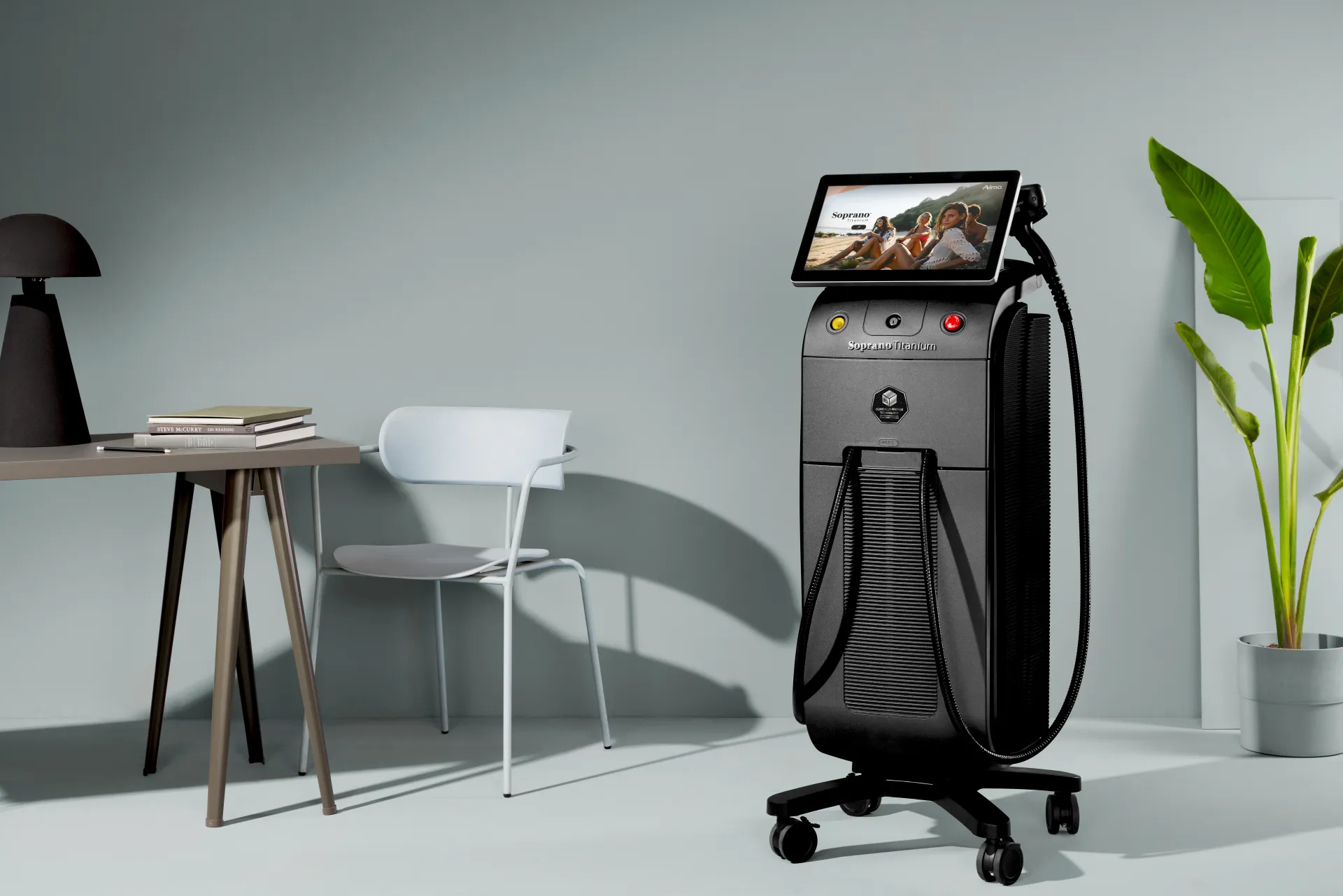
How Titanium Lifting Maintains Safety During Treatment
Titanium Lifting uses radiofrequency energy delivered at controlled temperatures between 55-65 degrees Celsius to target dermal and subcutaneous tissue at depths of 2-4mm. The device incorporates a built-in contact cooling system that maintains the epidermal surface at 5-10 degrees Celsius throughout energy delivery, creating a thermal gradient that protects superficial skin while heating deeper target layers. This dual mechanism reduces the risk of surface burns to under 0.1% in clinical use.
Energy dosing is measured in kilojoules (kJ), with practitioners adjusting output between 40-80kJ per session based on tissue thickness and treatment area. Real-time temperature monitoring provides immediate feedback, allowing the operator to pause or reduce intensity if tissue temperatures approach upper safety thresholds. The device automatically shuts off if contact with the skin surface is lost, preventing unintended energy discharge into unprotected tissue.
Common Side Effects and Their Duration
Immediate Post-Treatment Effects
The most frequently reported side effect is mild erythema (redness) at the treatment site, occurring in approximately 85-90% of patients and resolving within 2-4 hours. Localized warmth and slight swelling affect roughly 40-50% of patients and typically subside within 24 hours. Mild tenderness to touch may persist for 3-7 days in areas receiving higher energy doses, particularly along the jawline and submental region where tissue is thinner.
Less Common Reactions
Temporary numbness or tingling occurs in approximately 3-5% of cases, resolving without intervention within 1-2 weeks. Small nodules beneath the skin surface have been reported in fewer than 2% of treatments, usually when energy is concentrated in a narrow zone; these resolve spontaneously within 4-6 weeks. Bruising is uncommon with Titanium Lifting compared to injectable procedures, occurring in less than 1% of sessions.
Contraindications and Risk Factors
Absolute contraindications for Titanium Lifting include metallic implants in the facial area such as dental plates or surgical screws, active skin infections or open wounds at the treatment site, pregnancy or breastfeeding, and implanted electronic devices including pacemakers. Patients with a history of keloid scarring require careful assessment, as radiofrequency-induced thermal injury may trigger abnormal scar formation in predisposed individuals.
Relative contraindications include recent injectable treatments within the prior 2 weeks, active inflammatory skin conditions such as rosacea flares or eczema, and use of isotretinoin within the preceding 6 months. Patients with autoimmune disorders affecting connective tissue should undergo thorough evaluation before treatment, as altered collagen metabolism may produce unpredictable results. Kim S et al. J Cosmet Dermatol. 2021;20(8):2440-2447. doi:10.1111/jocd.14108
Regulatory Status and Clinical Evidence
Titanium Lifting devices hold KFDA (Korea Food and Drug Administration) clearance for non-invasive skin tightening and lifting indications. The technology has undergone clinical evaluation demonstrating skin firmness improvement of 20-35% measured by cutometer at 3-month follow-up. Multi-center studies involving over 500 patients confirm a safety profile with fewer than 5% experiencing adverse events beyond expected transient redness and mild swelling.
When selecting a clinic in Korea for Titanium Lifting, verifiable credentials include the practitioner holding a valid Korean medical license, the clinic maintaining KFDA-registered devices with current calibration records, and a documented treatment protocol that includes pre-procedure skin assessment and post-treatment monitoring. RE:BERRY clinics utilize standardized protocols with energy parameters calibrated to individual tissue characteristics assessed during consultation.
Minimizing Risk Before and After Treatment
Pre-treatment preparation includes discontinuing blood-thinning supplements such as omega-3 fatty acids and vitamin E for 7 days prior to reduce bruising risk. Avoiding direct sun exposure for 2 weeks before treatment minimizes the chance of post-inflammatory hyperpigmentation, particularly in Fitzpatrick skin types IV-VI. Arriving with a clean face free of makeup and skincare products ensures optimal energy delivery.
Post-treatment care involves applying broad-spectrum SPF 50 sunscreen daily for a minimum of 4 weeks, avoiding hot environments such as saunas and steam rooms for 48-72 hours, and using gentle hydrating products without active ingredients like retinol or glycolic acid for 5-7 days. Following these protocols reduces the incidence of adverse events from approximately 5% to under 2% based on clinical follow-up data.